Why I Turned Back the Clock with Simple Food Choices
Aging doesn’t have to mean slowing down. I’ve noticed real changes—more energy, clearer skin, even better sleep—just by shifting how I eat. It’s not about extreme diets or magic pills. This is about everyday food choices that actually support long-term vitality. If you’ve ever wondered how small tweaks in your diet could make you feel years younger, you’re not alone. Here’s what really worked for me—and why it might work for you too.
The Wake-Up Call: When Aging Felt Too Real
It wasn’t one dramatic moment, but a series of small realizations that added up. I remember standing in front of the mirror one morning and noticing how my skin seemed duller, less resilient than it used to be. Then came the days when climbing a flight of stairs left me winded, or when I needed an afternoon nap just to get through the rest of the day. I wasn’t sick, but I didn’t feel like myself. The energy I once took for granted was slipping away, and I began to accept that this was just how things were now—middle age, responsibilities, fatigue. But deep down, I knew something had to change.
What struck me most was how powerless I felt. I couldn’t control the calendar, but I could control what I put on my plate. That realization became my turning point. Instead of seeing aging as an inevitable decline, I began to view it as a process influenced by daily choices. Among all the factors—sleep, stress, movement—diet stood out as something tangible, something I could adjust without waiting for a doctor’s appointment or a prescription. I didn’t want a quick fix. I wanted sustainable shifts that honored my body and supported its natural ability to renew and repair.
This wasn’t about chasing youth or erasing every sign of time. It was about feeling strong, clear, and capable. I started asking myself: What if the food I eat every day is either helping or hurting that goal? That question led me to explore how nutrition impacts how we age—not just on the surface, but at a deeper, cellular level. The journey wasn’t about perfection. It was about progress, one meal at a time.
Debunking Anti-Aging Myths: What Doesn’t Work
Before I made any real changes, I had to clear away the noise. The world of anti-aging is full of promises—miracle creams, expensive supplements, detox teas, and trendy diets that claim to reverse time. I tried a few. A bottle of collagen powder sat untouched on my counter after two weeks. A 10-day cleanse left me irritable and hungry, with no noticeable results. I even bought a jar of goji berries because I read they were a “superfood,” only to realize I had no idea how to use them or why they were supposed to help.
These experiences taught me an important lesson: quick fixes don’t create lasting change. The problem with many anti-aging products is that they isolate a single nutrient or food and present it as a cure-all. But our bodies don’t work in isolation. They thrive on balance, consistency, and variety. No single pill can replace the complex network of nutrients we get from whole, real foods. Marketing often exploits our desire for easy solutions, but real vitality comes from daily habits, not occasional extremes.
I also let go of the idea that skipping meals or severely restricting calories would help me look or feel younger. In fact, the opposite happened. When I skipped breakfast, I ended up overeating later. When I cut out entire food groups, I felt deprived and disconnected from the joy of eating. Restriction created stress, not renewal. What I needed wasn’t less food, but better food—nutrient-rich choices that gave my body the tools it needed to function well.
Another myth I had to unlearn was the obsession with “anti-aging” labels. Just because a product says it’s designed to fight wrinkles or boost energy doesn’t mean it’s effective. Many of these claims aren’t regulated, and the science behind them is often weak or incomplete. Instead of chasing labels, I decided to focus on what real, unprocessed foods could do for me. The shift wasn’t about buying more—it was about choosing wisely and eating with intention.
The Core Principle: Eating for Cellular Health
Once I moved past the myths, I began to understand that aging starts at a microscopic level. Our cells are constantly working—repairing damage, producing energy, and replacing old components. Over time, this process slows, and damage can accumulate. But here’s the good news: the food we eat directly influences how well our cells perform. Think of your body like a finely tuned machine. Even the best engine needs quality fuel to run smoothly. The same is true for your cells.
One of the most important concepts I learned is oxidative stress. It’s a natural byproduct of metabolism, but when it’s not balanced by antioxidants, it can damage cells and accelerate aging. Antioxidants, found in colorful fruits and vegetables, help neutralize this process. Berries, spinach, sweet potatoes, and bell peppers aren’t just nutritious—they’re cellular protectors. I started seeing these foods not just as part of a meal, but as daily allies in maintaining my body’s resilience.
Another key factor is inflammation. Chronic, low-level inflammation is linked to many age-related changes, from stiff joints to tired skin. Certain foods—like processed sugars, refined grains, and trans fats—can worsen inflammation. On the other hand, foods rich in omega-3 fatty acids, such as fatty fish, walnuts, and flaxseeds, help keep inflammation in check. I didn’t eliminate every treat, but I became more mindful of how often I reached for sugary snacks and how they made me feel afterward—sluggish, puffy, and mentally foggy.
Blood sugar balance also plays a quiet but powerful role. When blood sugar spikes and crashes, it can lead to energy dips, mood swings, and increased fat storage. Choosing complex carbohydrates like oats, quinoa, and legumes, paired with protein and healthy fats, helped me stay steady throughout the day. Instead of reaching for a muffin mid-morning, I’d have a handful of almonds and an apple. The difference in energy and focus was subtle at first, but over time, it became undeniable.
The Plate That Fights Time: Building an Anti-Aging Diet
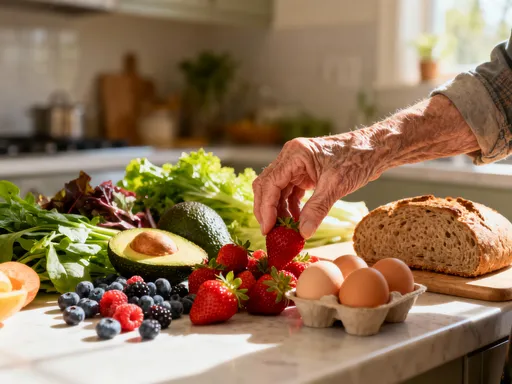
With these principles in mind, I redesigned my plate. It wasn’t about following a strict diet plan, but about creating meals that naturally supported my goals. I focused on variety, color, and whole ingredients. A typical lunch might be a large salad with mixed greens, cherry tomatoes, cucumbers, shredded carrots, chickpeas, and grilled salmon, drizzled with olive oil and lemon. Dinner could be roasted vegetables with lentils and a slice of whole grain bread. Breakfast often includes eggs with spinach and avocado, or oatmeal topped with blueberries and a sprinkle of chia seeds.
What makes these meals effective isn’t any single ingredient, but the combination. Vegetables provide fiber and antioxidants. Lean proteins like eggs, fish, beans, and poultry support muscle maintenance and repair. Whole grains offer sustained energy. Healthy fats—from avocados, nuts, seeds, and olive oil—support brain health and skin elasticity. Together, they create a foundation that nourishes the body from the inside out.
I also paid attention to hydration. Water isn’t just for thirst—it’s essential for every cellular function. Dehydration can make skin look dry and tired, and it can dull mental clarity. I started carrying a water bottle and made it a habit to drink a glass first thing in the morning. Herbal teas, like green tea and rooibos, became part of my routine too. They’re not magic, but they add to the overall picture of consistent, supportive habits.
One of the most helpful shifts was moving away from the idea of “good” and “bad” foods. Instead, I adopted the 80/20 rule—eating nutrient-dense meals most of the time, while allowing room for enjoyment. A slice of cake at a birthday party or a buttery piece of toast on a rainy Sunday didn’t ruin my progress. What mattered was the overall pattern. Perfection wasn’t the goal. Balance was.
Timing Matters: When You Eat, Not Just What
As I became more aware of what I was eating, I also started paying attention to when I ate. I noticed that if I skipped breakfast, my energy lagged by mid-morning, and I was more likely to grab something sugary. Eating a balanced meal within an hour or two of waking helped stabilize my mood and focus. Similarly, having a light dinner a few hours before bed improved my sleep quality. I wasn’t following a rigid schedule, but I was learning to listen to my body’s natural rhythms.
Irregular eating patterns can disrupt metabolism and stress hormones. When meals are too far apart, the body may go into conservation mode, slowing down energy use. When we eat late at night, digestion can interfere with rest. I didn’t adopt any extreme fasting routines, but I did find that giving my body a 12-hour break between dinner and breakfast felt manageable and beneficial. For example, finishing dinner at 7 p.m. and having breakfast at 7 a.m. created a natural window for rest and repair.
This rhythm also helped me distinguish between true hunger and mindless eating. Without realizing it, I used to snack out of boredom or stress, especially in the evening. By setting gentle boundaries around meal times, I became more intentional. If I was truly hungry, I’d have a small, balanced snack—like yogurt with a few walnuts. If not, I’d pause and ask myself what I really needed. Often, it was a glass of water, a stretch, or a few minutes of quiet.
Meal timing isn’t about strict rules—it’s about creating a rhythm that supports energy, digestion, and sleep. When meals are spaced consistently, blood sugar stays more stable, cravings decrease, and the body can focus on renewal instead of constant digestion. It’s a subtle shift, but over time, it made a noticeable difference in how I felt throughout the day.
Real-Life Changes: What Improved (And What Didn’t)
After several months of these changes, I began to notice real shifts. My energy levels were more consistent. I no longer hit that 3 p.m. wall where I needed coffee and a nap to keep going. My skin looked brighter, with fewer dry patches. Friends commented that I seemed “well-rested” even on busy days. My digestion improved, and I felt lighter, less bloated. These weren’t overnight miracles, but gradual improvements that built on each other.
What surprised me most was my mood. I didn’t expect food to affect how I felt emotionally, but I noticed I was less irritable, more patient with my family, and better able to handle daily stress. Stable blood sugar, regular meals, and nutrient-rich foods seemed to support not just my body, but my mind as well. I wasn’t chasing happiness through food, but I was creating conditions where calm and clarity could thrive.
That said, not everything changed. Deep lines around my eyes didn’t disappear. Old injuries still ached on cold mornings. Aging is still happening—it always will. But the difference is that I no longer feel at its mercy. I feel like I’m aging with strength, not surrender. Diet isn’t a time machine, but it is a powerful form of self-care that supports how I experience each day.
I also learned to let go of unrealistic expectations. I used to think that if I ate perfectly, I’d look like I did in my twenties. But that’s not how it works. The goal isn’t to stop time, but to make the most of it. When I focus on how I feel—strong, clear, present—I’m less focused on how I look in the mirror. The changes that matter most are the ones I can live with, not just see.
Making It Stick: Small Shifts That Last
The biggest challenge wasn’t knowing what to do—it was doing it consistently. Life is busy. There are school runs, work deadlines, family dinners, and unexpected events. I learned that long-term success comes from flexibility, not rigidity. I started meal prepping on Sundays—chopping vegetables, cooking a batch of quinoa, hard-boiling eggs. Having these ready-to-use components made it easier to assemble healthy meals during the week, even on chaotic days.
Grocery shopping became more intentional. I began planning meals ahead of time and sticking to a list. I shop the perimeter of the store, where fresh produce, dairy, and proteins are located, and only go into the center aisles for specific staples like oats or canned beans. I also read labels more carefully, avoiding products with long ingredient lists full of unpronounceable words. If a food is mostly recognizable—something I could imagine growing or cooking myself—I’m more likely to buy it.
Another key was letting go of guilt. If I ate something less healthy, I didn’t beat myself up. I simply returned to my usual habits at the next meal. Progress, not perfection, became my mantra. I also reminded myself that food is more than fuel—it’s connection, comfort, and culture. Sharing a homemade meal with loved ones is nourishing in ways that go beyond nutrition.
Finally, I recognized the importance of professional guidance. While I took charge of my diet, I also consulted my doctor and a registered dietitian, especially since I have a family history of heart concerns. They helped me tailor my approach to my individual needs. Nutrition is personal, and what works for one person may not work for another. Getting support ensured that my choices were safe and effective.
In the end, turning back the clock wasn’t about reversing time. It was about making daily choices that honor my body and support my well-being. Food isn’t a punishment or a chore—it’s a form of love. When I eat well, I’m not just feeding myself. I’m investing in my energy, my health, and my ability to show up fully in my life. And that, more than anything, makes me feel years younger.