How I Got My Strength Back Without the Gym Drama
Recovering from injury or surgery doesn’t mean you need intense workouts or expensive rehab centers. I learned this the hard way—after pushing too hard too soon, I ended up back at square one. What actually helped wasn’t complicated: simple, consistent movements that worked with my body, not against it. This is about real preventive healthcare through smart rehabilitation training—something anyone can start, no matter their fitness level. It’s not about looking strong in a mirror; it’s about feeling strong in daily life. Whether you’re recovering from a fall, managing joint discomfort, or simply noticing that bending down or climbing stairs has become harder, this approach meets you where you are. The good news? You don’t need a gym membership, special equipment, or even an hour a day. What you do need is awareness, patience, and a willingness to listen to your body.
The Hidden Cost of Ignoring Rehabilitation
Many people treat recovery as something to rush through, if they consider it at all. After a minor injury—like a sprained ankle, a strained back, or even post-surgical healing—there’s often pressure to “get back to normal” as quickly as possible. That urgency is understandable, especially when daily responsibilities pile up. But when rehabilitation is skipped or done half-heartedly, the cost can be far greater than lost time. Studies show that incomplete or improper recovery significantly increases the risk of re-injury. For example, someone who returns to walking long distances too soon after a knee procedure may develop compensatory movement patterns, placing undue stress on the hip or lower back. Over time, these imbalances can lead to chronic pain or degenerative joint conditions.
The misconception that rest alone equals healing is widespread. In reality, passive rest—lying on the couch, avoiding movement—can actually delay recovery. Muscles weaken, joints stiffen, and the nervous system loses its connection to key muscle groups. This phenomenon, known as disuse atrophy, can begin within days of inactivity. What feels like protection may, in fact, be setting the stage for longer-term dysfunction. Preventive healthcare is often associated with screenings, diet, and managing blood pressure. Yet, how we recover from physical setbacks is just as critical. Rehabilitation is not a luxury or an afterthought—it’s a foundational part of maintaining mobility, independence, and quality of life, especially as we age.
Another hidden cost of neglecting rehab is the emotional toll. When pain lingers or mobility declines, it can affect confidence, mood, and the ability to participate in family life or hobbies. A mother who can’t play on the floor with her grandchildren, or someone who avoids social outings because walking is uncomfortable, begins to feel isolated. These experiences are not just physical—they’re deeply personal. The good news is that most of these outcomes are preventable. With the right approach, even small, deliberate movements can interrupt the cycle of decline and set the body on a path toward lasting strength.
Why Rehabilitation Is Preventive Healthcare, Not Just Recovery
Rehabilitation is often misunderstood as a reactive process—something you do only after getting hurt. But in truth, it’s one of the most effective forms of preventive healthcare available. Think of your body like a well-maintained car. Just as routine oil changes and tire rotations prevent breakdowns, consistent rehabilitation exercises help prevent physical breakdowns. They strengthen vulnerable areas, improve joint stability, and correct movement habits before they lead to injury. This proactive mindset shifts rehab from being a response to crisis to being a daily investment in long-term health.
One of the most powerful aspects of rehab training is its ability to identify and correct muscular imbalances. Most people don’t move perfectly symmetrically. You might favor one leg when standing, lean slightly to one side when lifting, or have tighter muscles on one side of your back. These subtle differences often go unnoticed—until they result in pain. Rehab exercises, especially those focused on motor control and joint alignment, help bring these imbalances to light and gradually correct them. For instance, activating the gluteus medius muscle—the hip stabilizer—can reduce strain on the lower back and prevent knee tracking issues during walking or climbing stairs.
Additionally, rehabilitation enhances neuromuscular coordination, which is the communication between your brain and muscles. As we age, this connection can weaken, leading to slower reaction times, reduced balance, and a higher risk of falls. Rehab exercises that emphasize slow, controlled movements—such as lifting a leg while maintaining a stable pelvis—train the nervous system to recruit the right muscles at the right time. This isn’t just about injury prevention; it’s about preserving independence. The ability to stand up from a chair without using your hands, or to catch yourself if you trip, relies on this kind of functional strength.
Perhaps most importantly, rehabilitation builds resilience. It’s not about achieving peak performance or building muscle mass. It’s about creating a body that can handle the demands of everyday life—carrying groceries, gardening, playing with pets, or simply getting out of bed without wincing. When rehab is practiced consistently, it becomes a form of body literacy. You begin to recognize early warning signs—tightness in the hip, a slight wobble when standing on one foot—and address them before they become problems. In this way, rehabilitation isn’t just healing; it’s long-term protection.
My "Aha" Moment: What Changed My Approach
After a minor back injury from lifting a heavy suitcase, I was eager to get back to my usual routine. I tried everything—aggressive stretching, online workout videos labeled “post-injury,” and even pushing through the discomfort, believing that if I just moved enough, my body would “snap back.” Instead, my pain worsened. Simple tasks like tying my shoes or getting out of the car became challenging. I felt frustrated and defeated. I had always considered myself active and health-conscious, yet I had no idea how to heal properly.
My turning point came during a visit to a physical therapist. Instead of giving me a long list of intense exercises, she had me lie on the floor and focus on breathing. Then, she guided me through three simple movements: pelvic tilts, heel slides, and abdominal bracing. They felt almost too easy—no sweat, no muscle burn, nothing dramatic. But she emphasized control: moving slowly, feeling each muscle engage, and stopping before any strain. She explained that healing wasn’t about effort; it was about precision. My body wasn’t ready for intensity—it needed re-education.
Within two weeks of doing these exercises for just ten minutes a day, I noticed changes. My lower back felt less tight. I could bend forward with less hesitation. Most importantly, I felt more connected to my body. That was the moment I realized my previous approach had been backwards. I had been treating my body like a machine to push, rather than a system to nurture. The shift from chasing quick results to embracing gradual progress was transformative. I stopped comparing myself to others or to my pre-injury self. Instead, I focused on consistency, mindfulness, and listening. That mindset change—more than any single exercise—was what truly brought my strength back.
The Core Principles of Effective Rehab Training
Effective rehabilitation is built on a few fundamental principles: consistency, proper form, and progressive loading. Unlike high-intensity workouts that measure success by sweat or soreness, rehab success is measured by function—how well your body moves and feels during daily activities. The goal is not to exhaust muscles but to retrain them. This process, known as neuromuscular re-education, involves re-establishing the brain’s ability to activate the correct muscles at the right time and in the right sequence.
One of the most important concepts in rehab is motor control. This refers to the nervous system’s ability to coordinate muscle activity for smooth, efficient movement. After an injury, the body often “shuts off” certain muscles as a protective mechanism. For example, the transverse abdominis—the deep core muscle that stabilizes the spine—may become underactive after back pain. Rehab exercises target these inhibited muscles through low-load, high-focus movements that reawaken the mind-muscle connection. Over time, this improves joint stability and reduces strain on surrounding tissues.
Another key principle is tissue adaptation. Muscles, tendons, and ligaments respond best to gradual, consistent stress. This is why rushing into intense exercise too soon can cause setbacks. The body needs time to rebuild strength at the cellular level. Progressive loading means starting with movements that feel almost too easy and slowly increasing difficulty—by adding a few seconds, a slight range of motion, or a minor resistance—only when the body is ready. This approach minimizes inflammation and maximizes healing.
Proper form is non-negotiable. In rehab, quality always trumps quantity. A single well-performed repetition is more valuable than ten sloppy ones. This is where mindfulness comes in. Paying attention to alignment, breathing, and muscle engagement ensures that each movement serves its purpose. For instance, during a wall glide, keeping the lower back flat against the wall activates the deep neck flexors and improves posture. If the back arches, the exercise loses its benefit and may even reinforce poor habits. By focusing on precision, rehab becomes a practice of presence—not just physical recovery, but mental reconnection.
Simple Daily Moves That Actually Work
You don’t need a gym, a trainer, or special equipment to begin effective rehabilitation. Some of the most powerful rehab exercises can be done at home, in minimal time, using only your body weight. The key is choosing movements that target foundational stability and joint health. Below are four evidence-based exercises that support recovery and prevention, with clear cues to ensure proper execution.
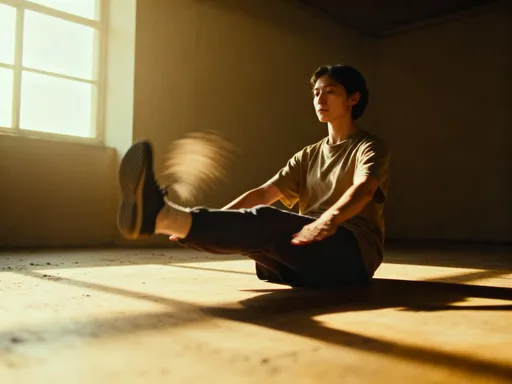
The first is the seated march. Sit in a sturdy chair with feet flat on the floor. Engage your core by imagining you’re about to laugh—that slight tightening in your abdomen is the activation you want. Slowly lift one knee a few inches, keeping your pelvis still and your back straight. Lower it down with control, then switch sides. This movement strengthens the hip flexors and deep core while promoting pelvic stability. It’s especially helpful for those recovering from hip or back issues.
Next is the wall glide. Stand with your back against a wall, feet slightly in front of you. Press your head, shoulders, and lower back gently into the wall. Slowly slide your arms up overhead, keeping contact with the wall as long as possible. If your lower back arches, stop at that point. This exercise improves shoulder mobility and posture by retraining the muscles of the upper back and neck. It’s ideal for anyone who spends time at a desk or feels tightness between the shoulder blades.
The heel slide is excellent for knee and hip recovery. Lie on your back with legs extended. Slowly bend one knee, sliding your heel along the floor toward your buttocks. Keep your pelvis level and your lower back pressed into the floor. Slide the leg back out with control. This movement maintains joint range of motion and activates the quadriceps and hamstrings in a safe, low-load way. It’s often used after knee surgery but is beneficial for anyone with stiffness.
Finally, the abdominal brace is a foundational core exercise. Lie on your back with knees bent. Take a breath in, then as you exhale, gently tighten your lower abdomen as if bracing for a light punch. Do not hold your breath or squeeze your glutes. Hold for 5–10 seconds, then release. This teaches the body to stabilize the spine during everyday movements, reducing strain on the lower back. When practiced regularly, these exercises become building blocks for stronger, more resilient movement.
How to Know If You’re Doing It Right (Without a Therapist)
While working with a physical therapist is ideal, many people manage their rehab independently. The key is developing body awareness—learning to interpret signals from your muscles, joints, and breath. One of the most reliable indicators is the location of tension. During a proper rehab exercise, you should feel engagement in the target muscle group, not strain in unrelated areas. For example, during a wall glide, you should feel work in your shoulders and upper back, not sharp pain in your neck or shoulders.
Another important cue is breathing. Your breath should remain steady and natural. If you find yourself holding your breath or breathing shallowly, it’s a sign you’re pushing too hard. Proper breathing supports core engagement and relaxation, both essential for effective rehab. Discomfort is normal—especially when reactivating underused muscles—but sharp, shooting, or radiating pain is not. Learn to distinguish between the mild fatigue of muscle activation and the warning signals of potential harm.
Posture and alignment are also critical. Use a mirror or record yourself to check your form. Are your shoulders relaxed? Is your pelvis neutral? Is your head aligned over your spine? Small deviations can reduce effectiveness or increase risk. Additionally, tracking progress helps. Instead of focusing on how many reps you can do, notice functional improvements: Can you stand up straighter? Do stairs feel easier? Does your back feel more supported when you walk? These subtle victories are often the best indicators of success.
If you’re unsure whether an exercise is appropriate, err on the side of caution. Reduce the range of motion, slow down the pace, or skip it altogether until you can consult a professional. Rehabilitation is not a race. The goal is sustainable improvement, not immediate results. By tuning into your body’s feedback, you become your own best guide.
Building a Habit: Making Rehab Part of Your Routine
The greatest challenge in rehabilitation isn’t the exercises—it’s consistency. Like brushing your teeth or locking the front door, rehab works best when it becomes automatic. The most effective way to build this habit is to link it to an existing daily routine. Choose a consistent trigger, such as after morning coffee, during a commercial break while watching evening TV, or right before bedtime. Pairing rehab with a familiar activity increases the likelihood of follow-through.
Set realistic expectations. Start with just five to ten minutes a day. Even two or three short sessions per week can make a difference when done regularly. Use reminders—set an alarm, leave a sticky note on the fridge, or add it to your calendar. Over time, the routine becomes second nature. Celebrate non-scale victories: improved posture, reduced stiffness, greater ease in daily tasks. These milestones reinforce motivation far more than numbers on a scale or a fitness tracker.
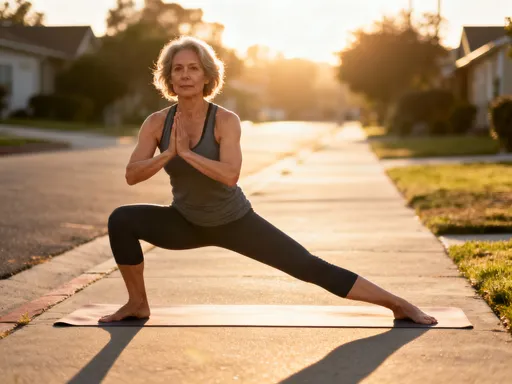
Involve your environment. Keep a yoga mat visible, or place a small chair in a corner where you can do seated marches. The easier it is to start, the more likely you are to do it. Share your journey with a family member—someone who can encourage you or even join you. Accountability helps, but so does compassion. There will be days when you forget or feel too tired. That’s normal. The goal isn’t perfection; it’s persistence. Rehabilitation isn’t a phase to complete. It’s a lifelong practice of caring for your body, honoring its limits, and nurturing its strength.
Rehabilitation training isn’t just about healing—it’s about protecting your future self. By treating it as essential preventive care, not an optional extra, we build bodies that move well, age well, and stay resilient. Start small, stay consistent, and remember: real strength isn’t loud. It’s quiet, steady, and built one mindful move at a time.